Author: afrozain

  • Asking for a Referral

    Asking for a Referral

    After the consult call, if you feel that we are not a good fit – that is great news! That means you have discovered some new information about your needs in therapy, and brings you one step closer to finding the care that you need. Here are some possible reasons that you might want a referral:

    Needing a clinical approach or crisis support.

    Requiring specialised therapy for a specific clinical diagnosis. 

    Requiring a more directive approach.

    Hoping for shorter/longer sessions, flexibility, or different frequency than offered.

    Wanting a therapist with a specific identity or language proficiency.

    Need for in-person sessions.

    Requiring a reduced fee per session. 

    Whatever the reason, I’m happy to help you with a referral. Simply email me at info@afrozalgiers.com with your requirements and I will try to connect you with a colleague who might be a better fit.

    It is always productive to reflect on why you might have felt uncomfortable, unsafe, unmet, or unheard in therapy, and to bring this to the attention of your chosen mental health provider. This will help you access the best possible care for yourself. A good mental health provider will not take this personally, will listen to your concerns, address them, and work on making the therapy space feel safe for you before proceeding further. Sometimes, your discomfort might stem from your past experiences, in which case addressing it in therapy might lead to insights about yourself in relationships. Other times, it might be because of a relational rupture with your mental health provider, in which case you can both work towards repair. These are skills rooted in speaking the truth that translate directly to life.

    Therapy might not always “feel” comfortable, because it is a space to courageously explore all aspects of yourself, including those that you might not like. However, you can expect your therapist or facilitator to stay present and help you find safety, even during moments of distress.

  • Consult Call: Assessing Fit

    Consult Call: Assessing Fit

    A consultation call is a relaxed, no-pressure opportunity to explore whether working together feels right. While it is normal to feel challenged in therapy, it’s important that you also feel safe, seen, and understood. Here are a few ways to explore whether working together might feel right: During this brief conversation, you can:

    • Ask questions about the therapy process, session structure, and my approach.
    • Share your goals, concerns, or what you hope to explore.
    • Notice your thoughts and how you feel in your body. Feeling heard, respected, and gently challenged is a sign of a healthy fit.
    • Gauge whether the style, pace, and tone of therapy feel comfortable and supportive.

    This call is your space to assess fit—it’s completely okay to pause, ask for clarification, or decide if you’d like to proceed. Your comfort and trust are the foundation for effective therapy.

  • My Experience with the Arts

    My Experience with the Arts

    Wonderful things happened when I started allowing myself to indulge in decadent presence – shifts that were stuck in the cognitive realm finally became embodied, curiosity began to soothe my fears, I developed respect for my thoughts and rhythms, and I felt a lightness in my heart, independent of external circumstances.

    What if I listened to myself respectfully, and took what my body was saying about it’s capacity and needs seriously? I had a breakthrough with this abstract concept when I started using art to talk to myself.

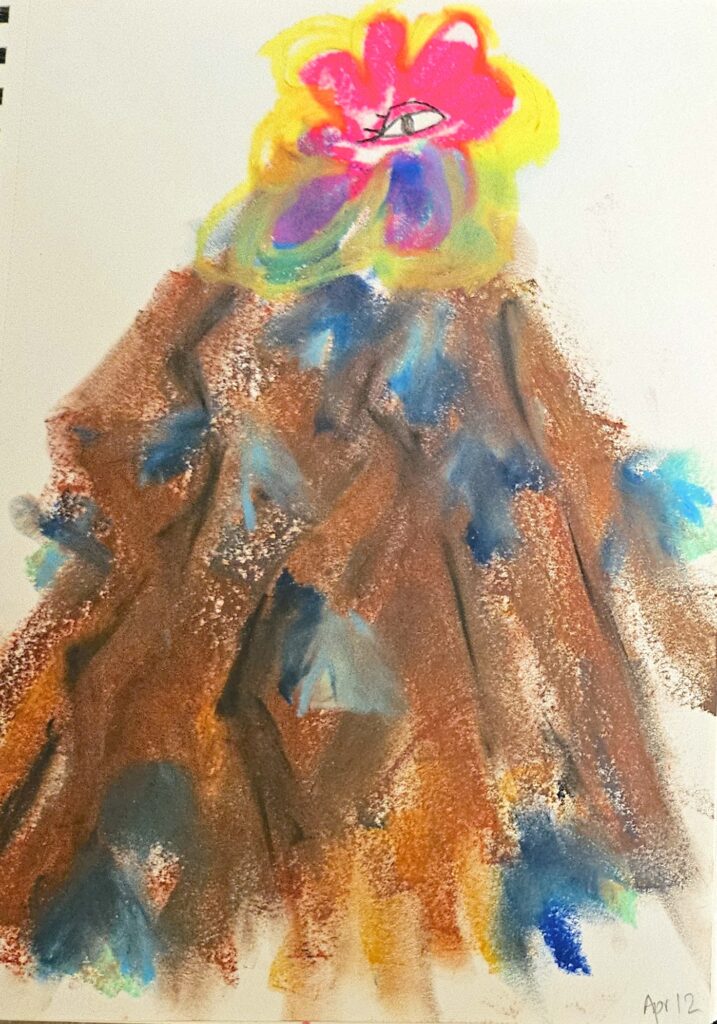
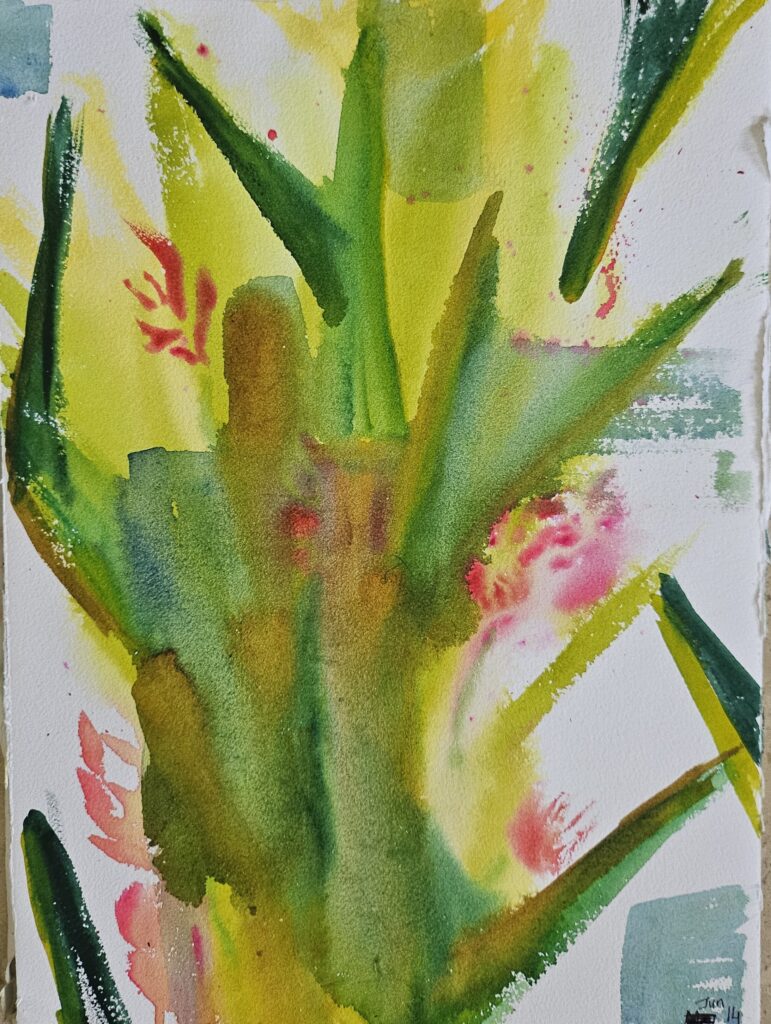
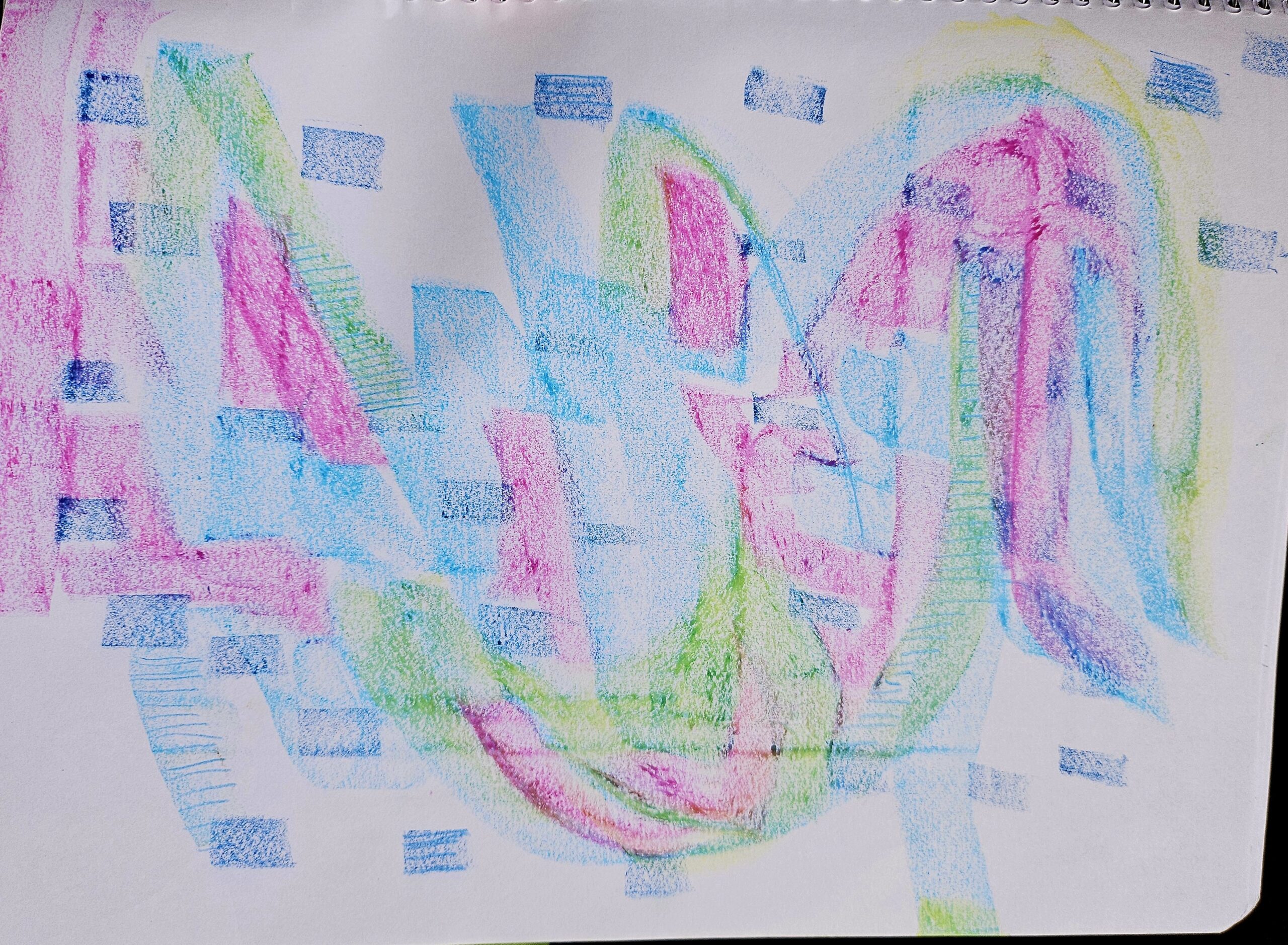
    Thought loops became bright squiggly pastel smears, wounds expressed themselves in rhythm and movement, grief came through in song and strumming, reassurance wrapped itself into the softness of fabric, watercolour lent its ethereal charm to discerning reality amidst chaos, pottery highlighted where conflicts lived in my body, gardening encouraged me to notice gentle blossoming, in wood shavings and electric saws I felt an admission of power, poetry seduced shame out of its shadows, theatre pinpointed my regrets, and baking saved my life.

    Wonderful things happened when I started allowing myself to indulge in decadent presence – shifts that were stuck in the cognitive realm finally became embodied, curiosity began to soothe my fears, I discovered my unique rhythms, and I felt a lightness in my heart, independent of external circumstances.

    When I host art circles in community, I’m moved by the capacity of creation, regardless of medium, to spark self-confrontation and mutual connection even on unflattering thoughts and beliefs. What a solace to be witnessed in our entirety, and what a gift to be carried there by art.

    Art is for everyone. We all deserve the benefits and growth that come from expressing and being witnessed.

  • My Mental Health Journey

    My Mental Health Journey

    I had misunderstood the goal of years of therapy – it wasn’t to erase all the “bad” parts, and never feel discomfort again, but to hold space for the incredible diversity and vastness of our existence. Art helped me witness my inner conflicts. I released my tight grip on the cerebral and descended frighteningly into my body.

    It’s been a long journey winnowing my voice from the desires of others. As a child, I loved art, but I knew I wasn’t talented enough to claim the title of “artist”, so I sprinted away in pursuit of achievable excellence. I sliced away my slower-moving parts and learnt to collapse the breadth of artistic possibility into just one shade – how can this serve me in performing “goodness”? I focused on dutifully hitting the precise check-boxes that would get me into prestigious programs. This went on for twenty seven years until my body broke down.

    The slow trickle of resentment, fear, insecurity, and uncertainty built up to a magnificent crescendo and engulfed me in darkness where, finally still, my artistic spirit found me. I serendipitously surrendered myself to the tactile pleasures of bread-making which coaxed my body out of shock. In what my mind and my entourage perceived as my lowest point, I found a certain lightness, clarity, and connection that I had no memory of experiencing before.

    Art helped me witness my inner conflicts. Making art about my different “realities” gently exposed my paradoxes – I can be hurt, and also hurtful. I can be nurturing, and also unavailable. I can be selfless, and also transactional. I had misunderstood the goal of years of therapy – it wasn’t to erase all the “bad” parts, and never feel discomfort again, but to hold space for the incredible diversity and vastness of our existence. In sessions with my art therapist, I built havens to meet myself and others. I released my tight grip on the cerebral and descended frighteningly into my body. I discovered that my nervous system wasn’t in sync with the theoretical tsunami in my mind. But rather than feeling compassion for my survival stories, I was using my instagram-based conceptual knowledge of mental health topics as ideals to shame myself. Boundaries, attachment styles, co-dependency, narcissism, self-regulation, etc all became juicy sticks to hit myself with. One set of societal “shoulds” were simply replaced by another.

    Thankfully, embracing non-verbal art-making allowed me to express my grief about my disconnection, of all that was now lost, all that will never be. And then, when that felt bearable, I could be present for what is.

    Art offered me a mirror to experience living in the present, rather than being controlled by innumerable inner conflicts about the past and the future.

    My work is to help people witness their complex selves without judgement or desire for constant improvement.

    I see that expanding individual capacity for self-witnessing and play is essential for collective liberation.

Join Waitlist We will inform you when the product arrives in stock. Please leave your valid email address below.